
Developing a tolerance to many medications is actually considered to be a normal response. There is a wide range of options — from residential “detox” programs to cognitive behavioral therapy, to medications such as naltrexone which can help people drink less, or acamprosate, which can help people stay dry. One thing that many listeners who’ve tried a dry January — or any break from alcohol — told us is that their friends didn’t really “get it.” “Why, why, why,” people told us they were asked.
Money can become an issue with the need to support drinking or other use. Stress about money can become an issue in taking care of personal needs and appearance, as it might be spent on use in place of basic necessities. In the beginning stages of drinking, the experience and effect can be subtle on schoolwork. However, with increased frequency and amount, concentration, motivation and memory can be affected. “Social self” is defined as the way one relates to others and the ability to feel comfortable with other people. Initially, and for sometime afterward, alcohol may seem to enhance certain experiences.
Five Reasons to Take a Break from Booze
While some evidence suggests alcohol consumption increased during lockdown, other reports suggest that over one in three adults drank less – or stopped altogether. You could go again through the process of increasing amounts of alcohol until you are drinking at the level that you used to or worse. There are ways to have a period of abstinence and still be social. The more alcohol intake you can handle, the more you can mask an alcohol problem.
It can be hard to find (or even know) the balance of how much alcohol your body is able to handle. If you’re not sure if your drinking crosses a certain line or not, try measuring your alcohol intake. It is important to recognize that tolerance is not the same thing as dependence or addiction. The three concepts are closely related but vary in a few key ways. Tolerance means you no longer respond to a drug in the same way you did when you first started taking it.
Why abstinence if your goal is to moderate your use?
It was one of those hangovers with a long tail, whose effects were in equal parts physical and psychological. The shift has been so abrupt that I begin to wonder if each person is allocated a number of drinks to consume over a lifetime and I had used up all my rations before I’d used up my years. But evaluations show, regardless of successful completion, taking up a month-long challenge to quit alcohol is linked to reductions in alcohol consumption six months and up to a year later. In our alcohol-centric society, it sometimes feels uncomfortable when everyone around you is drinking and your own hands are empty.
- The other option is to consume more cannabis in general, or consume more concentrated cannabis.
- Having a friend also take up the challenge can make it a little easier.
- There are ways to have a period of abstinence and still be social.
- If you weren’t drinking much before you cut it out entirely, it’s unlikely that you’ll see a difference, but it’s still worth mentioning here.
- So, SELF connected with experts to find out what actually happens to your body when you go sober.
- Addiction Resource aims to provide only the most current, accurate information in regards to addiction and addiction treatment, which means we only reference the most credible sources available.
Alcohol withdrawal occurs when you are physically dependent on alcohol and suddenly stop drinking or significantly reduce the amount you consume. This is because your brain and body have adapted to the presence of alcohol and have compensated in several ways to function well when intoxicated. When you abruptly stop drinking, these compensations result in alcohol withdrawal symptoms, which range from uncomfortable to potentially life-threatening. In terms of standard drinks, booze consumption can be classified into moderate drinking and heavy drinking. A standard drink is defined as 4 oz of wines, one shot of 80 proof booze, or 14 ounces of beer.
Withdrawal symptoms include:
“These strategies will maximize any good consequences of drinking while minimizing the not-so-good consequences,” Damask said. We do not receive any compensation or commission for referrals to other treatment facilities. Addiction Resource aims to provide only the most current, accurate information in regards to addiction and addiction treatment, which means we only reference the most credible sources available. Sometimes, treatment means evidence-based therapy with a trained addiction counselor. Withdrawal can cause heavy sweats, insomnia, vomiting, trembling hands, seizures, a pulse rate higher than 100 and anxiety, Davidson said.
- Ultimately, your body becomes less sensitive to a drug or substance over time with regular use.
- If at any time during this process you begin to develop unpleasant withdrawal symptoms, such as nausea, vomiting, insomnia, or seizures, it is important to consult your doctor right away.
- As a result, you’ll feel the intoxicating effects even from lower amounts of alcohol.
- According to several studies, women feel powerful alcoholic effects and get drunk faster than men.
While the full range of benefits of intervals of sobriety is not known, Dr De Visser shares that, out of 800 people who completed Dry January in 2018, research shows participants were still drinking less 18 months later. If you’re a regular cannabis user, how quickly you become tolerant to THC (which reflects CB1 receptor internalization) depends on the dose and frequency you consume, your use history, and your DNA. Obviously, these factors vary greatly across individuals, so our best understanding of the time course for tolerance development comes from studies in mice. THC causes tolerance through repeated activation of CB1 receptors. You’ll be able to detect when these processes occur because you’ll need to consume more THC to get high. The reason for a consumer’s tolerance to THC can be explained by cannabinoid type I (CB1) receptors in the brain, which decrease with continued cannabis use.
This may start to counteract the effects of alcohol, leading to diminishing effects over time. Your body can also adjust the number of GABA receptors in your brain so that it’s hard to achieve rest and relaxing effects. If you increase your drinking to compensate for this tolerance, your tolerance will likely get worse. So drinking lower amounts of alcohol how to take a break from drinking during lockdown could mean that your liver is less effective at “clearing” alcohol from the body. As a result, you’ll feel the intoxicating effects even from lower amounts of alcohol. Equally, increased alcohol consumption during lockdown could lead to increased metabolic tolerance, where a greater amount of alcohol is needed to feel intoxicated.
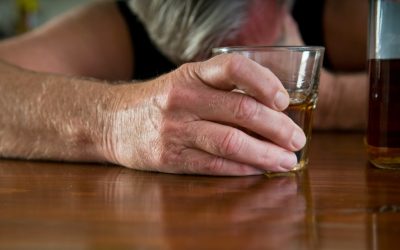
It’s also a good way to communicate to your friends your choice to quit drinking, so they can better support you. Having a friend also take up the challenge can make it a little easier. People trying to quit who have social support are more likely to reduce their drinking. However, if you suspect you could have a drinking problem and think alcohol is causing problems, you should contact your GP and be honest about your drinking habits. Dr De Visser argues that it is good for most people to drink less alcohol than they do currently, however they achieve it.
How Do I Know If I Have Alcohol Tolerance?
Unfortunately, alcohol is an intoxicating beverage which produces effects that vary from excitement to narcosis, depending on the individual tolerance and the amount consumed. This type of alcohol is included in different fermented and distilled beverages in varying percentages. Depending on the extent of liver damage you have, you may need to completely abstain from alcohol in order to give your liver the best chance for recovery. Talk to a doctor about your personal history and what’s right for you.
- And, day by day, as the anxiety returns, it may become more intense, which can lead people to drink more heavily.
- It may be that your drinking habits calm down after the novelty of celebrating a month or two of sobriety wears off, but Dr. Koob says it’s important to keep it on your radar so you can avoid overdoing it.
- That’s why many of us wonder if a month of avoiding drinking is enough to “reset” your liver back to normal.